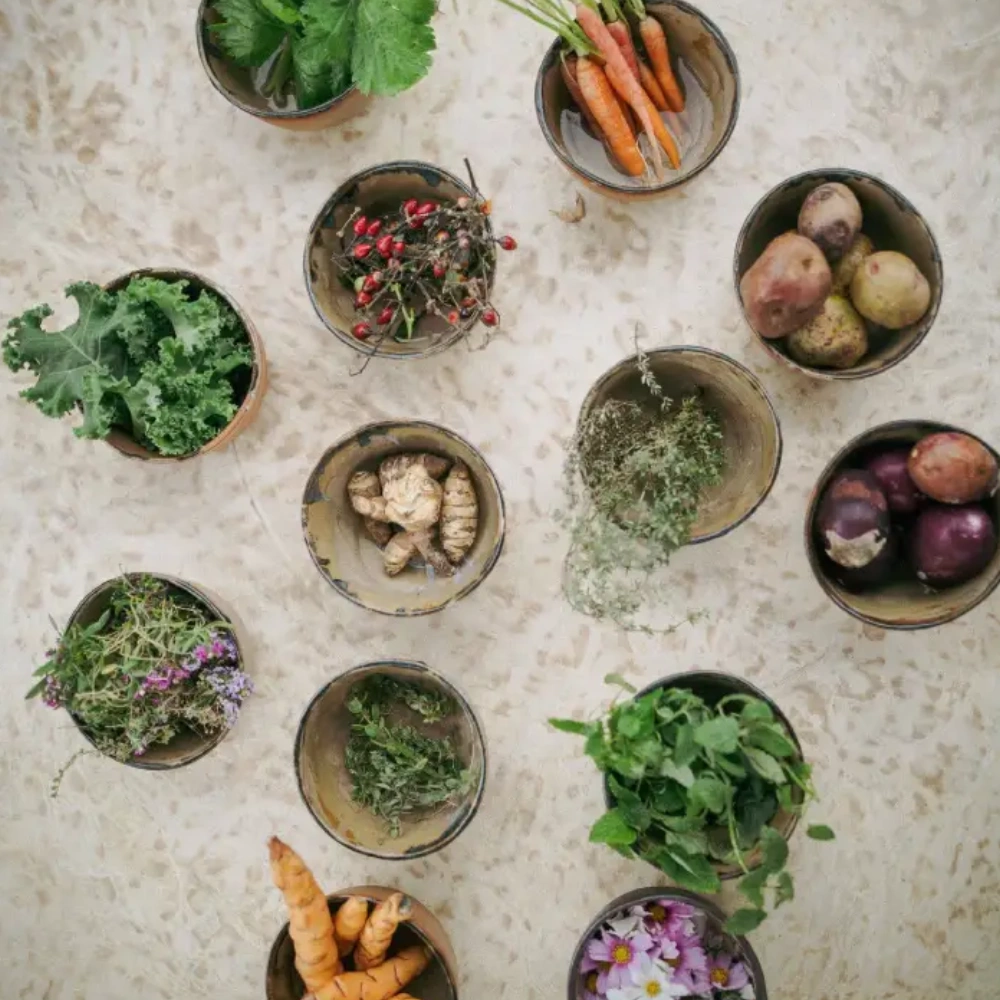
Long before Mendoza became known as the world capital of Malbec, this land already had a culinary identity of its own. For centuries, the Andean peoples cultivated it — potatoes and sweet potatoes, apichu to the Incas — dried fruit under the high-altitude sun, fired clay, and safeguarded the seeds that still grow in our gardens today. This memory is one of Zonda’s foundations.
Our kitchen reclaims the techniques of that tradition: the clay oven where bread and empanadas take on the flavour of woodsmoke, the clay and copper pots where the guisos simmer slowly, and the adobe that carves out its own place within the restaurant. These are not stage props — they are memories, passed down through generations of Cuyano cooks.
The recipes tell stories too. Our reinterpretation of vitel toné converses with the heritage of the Italian immigrants who settled among our vineyards; the Mendozan empanadas still hold the same flavours they did two centuries ago; and the Andean herbs — rica-rica, muña, tomillo serrano — perfume our dishes with aromas found nowhere else.
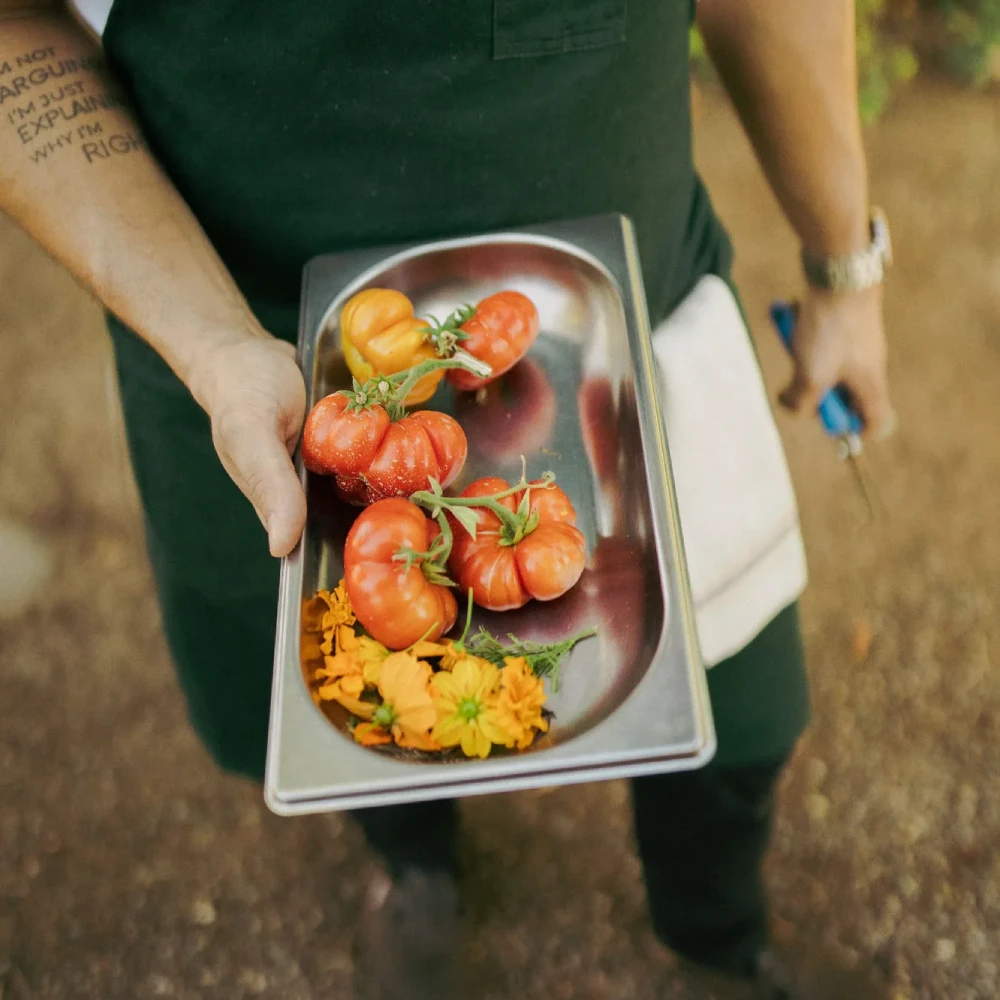
To cook with memory is not to repeat the past, but to make it our own so that we can transform it. Every dish on the menu draws on an element of Cuyano culture and translates it into a more contemporary language, with the produce from our garden as a bridge between eras.
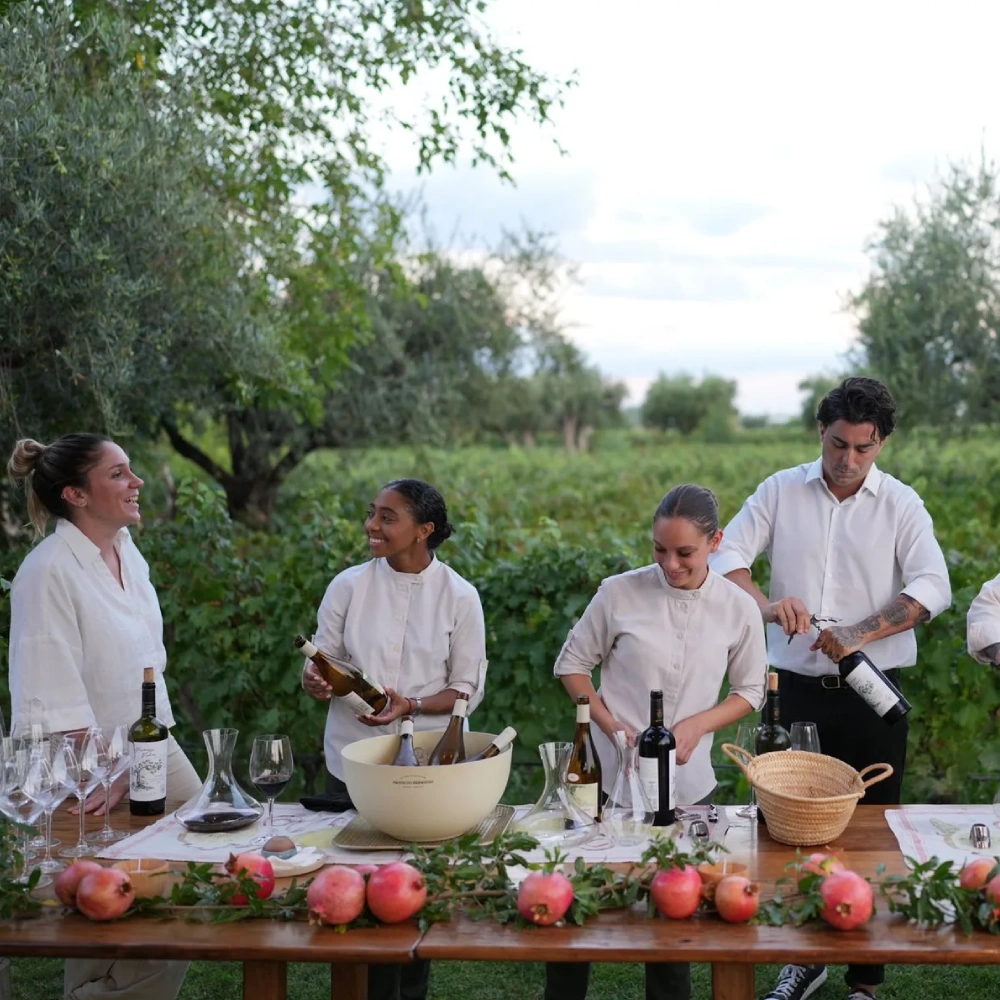
In our Cuyano Kitchen cooking class, part of Experiencia Zonda, we share these recipes and techniques with our guests: kneading the dough, lighting the fire, understanding why our cooking is inseparable from the land. Because Andean culture is meant to be cooked, not explained.